




Following the enormous success of its debut edition, Nada Villa returned to Warsaw, cementing its position as one of leading contemporary art events in the city. It’s definitely one not to miss if you’re an art lover and plan to visit the Polish capital. Scroll down to discover Nada Villa Warsaw highlights and some of the international artists participating in the exhibition!
For those unfamiliar with the exhibition, it is organised by The New Art Dealers Alliance and aims to promote independent art galleries around the world. Nada Villa Warsaw is the organisation’s first-ever project in Central and Eastern Europe, bringing together artistic voices from 15 countries: Poland, Germany, United States, Sweden, the United Kingdom, Austria, Lithuania, Czech Republic, Georgia, Ukraine, Japan, Slovenia, Portugal, Italy and the Netherlands.
With 50 galleries competing for viewers’ attention, it’s a lot to take over a short period of time. Here are five artists who left an emotional imprint and impressed me with their visual language.
Nada Villa Warsaw Highlights: An Overview of 5 Emerging Artists
But first, a few words about the setting for Nada Villa Warsaw. For the second year running, the exhibition took place in the historic Willa Gawrońskich, located in the heart of Warsaw. This neo-baroque gem from 1924 once housed embassies before suffering heavy damage during the Second World War. Today, its three spacious floors, flooded with natural light and rich in original architectural features, offer a poetic backdrop for contemporary art from both East and West. Now, let’s take a closer look at five artists who made last year’s Nada Villa Warsaw memorable for me!
Nada Villa Highlights: 5 emerging artists to watch in 2026
Aleksandra Liput
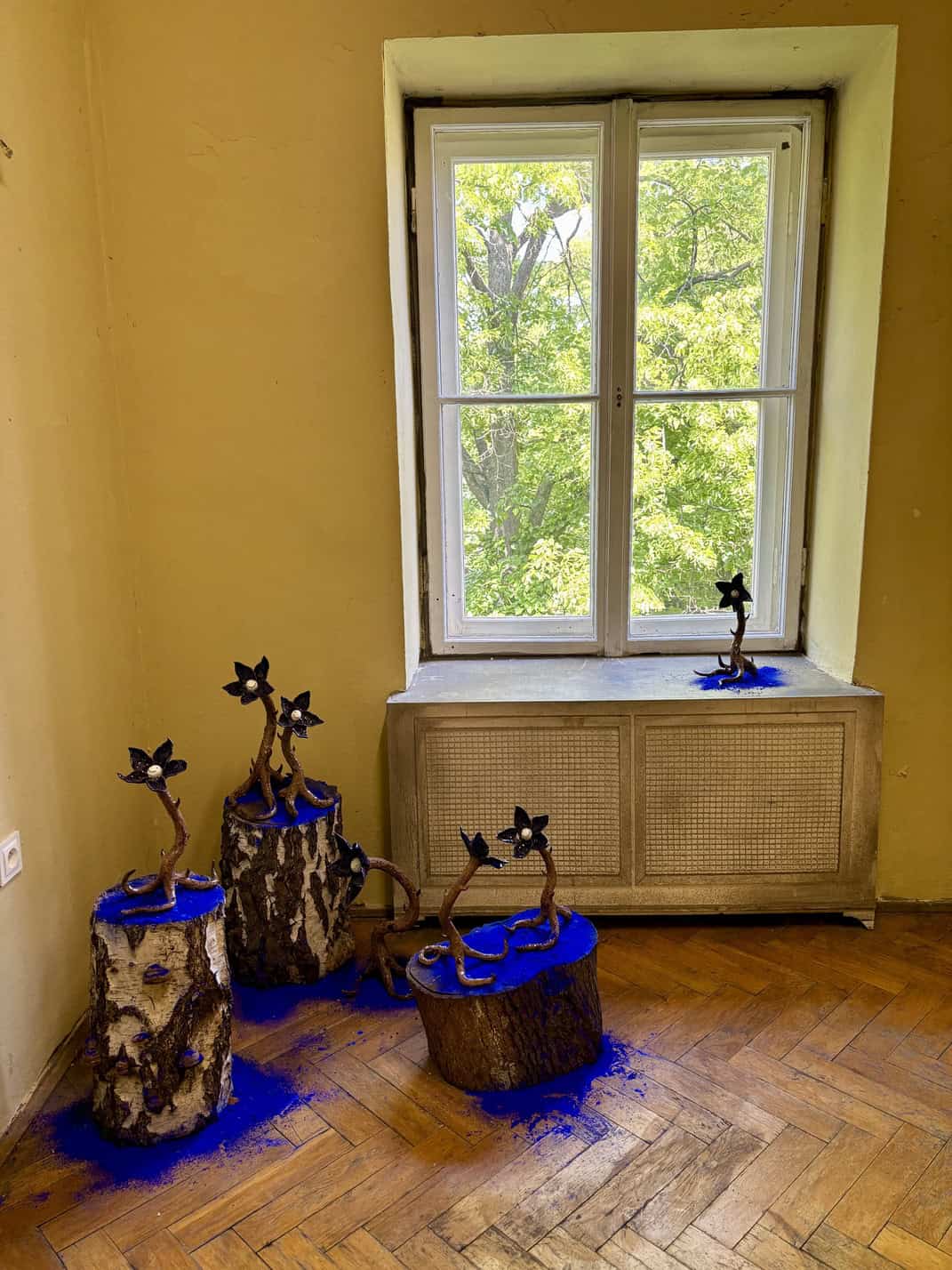
Let’s begin on the second floor of the villa, where Warsaw-based Le Guern Gallery exhibited Magic Plants by Polish artist Aleksandra Liput (b.1989). A group of ceramic sculptures, placed atop the tree trunks dusted in electric blue soil, dominated one corner of the sun-drenched room. These botanical creations reminded me of ancient talismans linked to Slavic mysticism, which once worshipped plants and trees as sacred. There is an immediate connection to nature’s cycle of growth, resilience and healing, which mirrors our own personal stories. I particularly liked the contrast between delicate plant forms and raw textures of the trunks beneath them.
Laura Ní Fhlaibhín
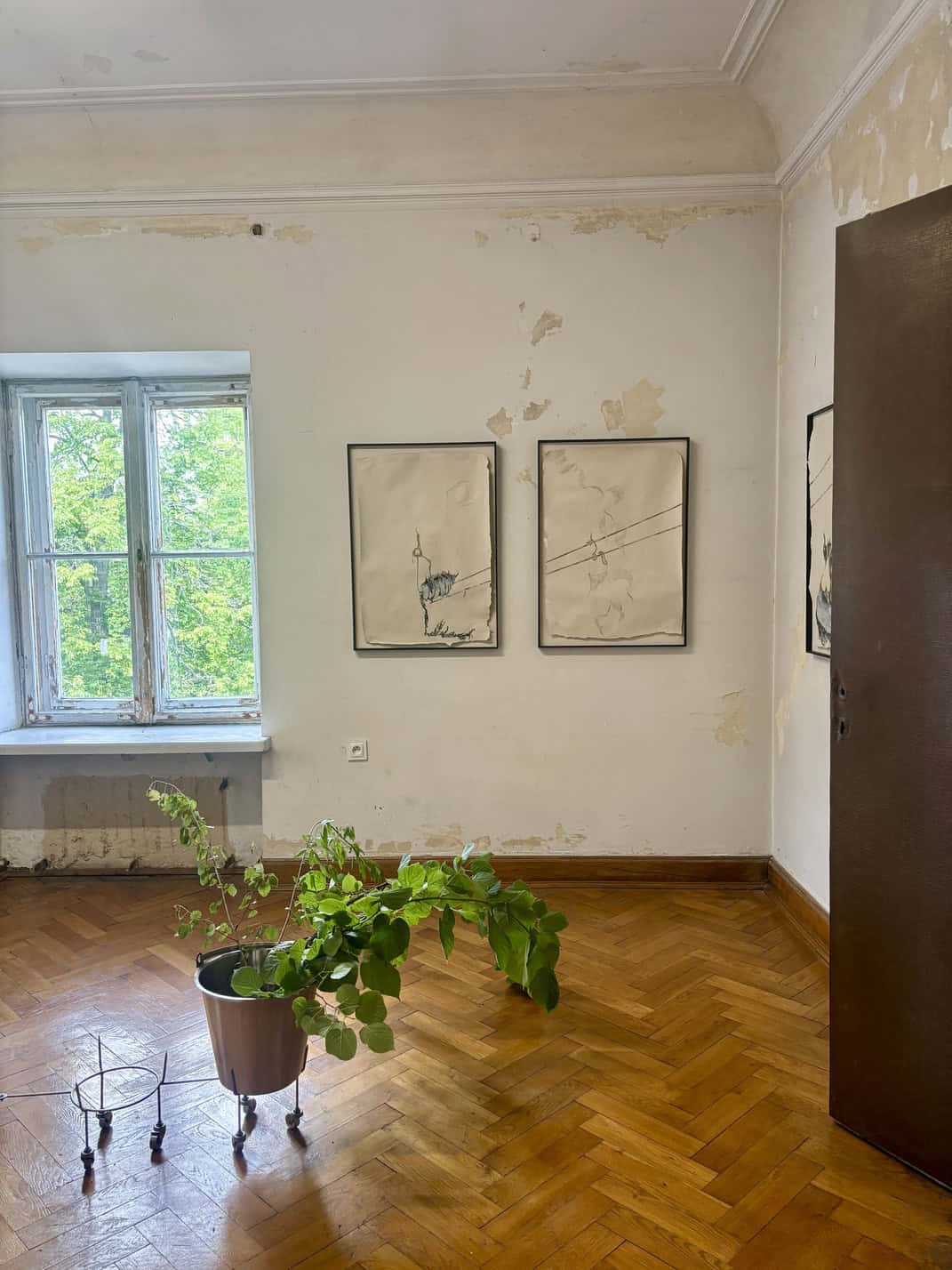
On the same floor, Munich-based Britta Rettberg gallery presented ethereal works by Irish artist Laura Ní Fhlaibhín (b. 1986). Just by reading their whimsical titles, drooping milk hills and giggling by the blue willow pleasure pool —to quote just one, I could sense their connection to nature, memory, ritual and women’s sexuality. These watercolour-like, intimate drawings were once part of the artist’s exhibition on the imaginary afterlife – one filled with sensuality and links to family history. Organic materials such as willow charcoal, chalk and natural powders enhanced the drawings’ symbolism, while their gentle colour palette perfectly fit perfectly into the room’s decadent aesthetic.
Julia Platt
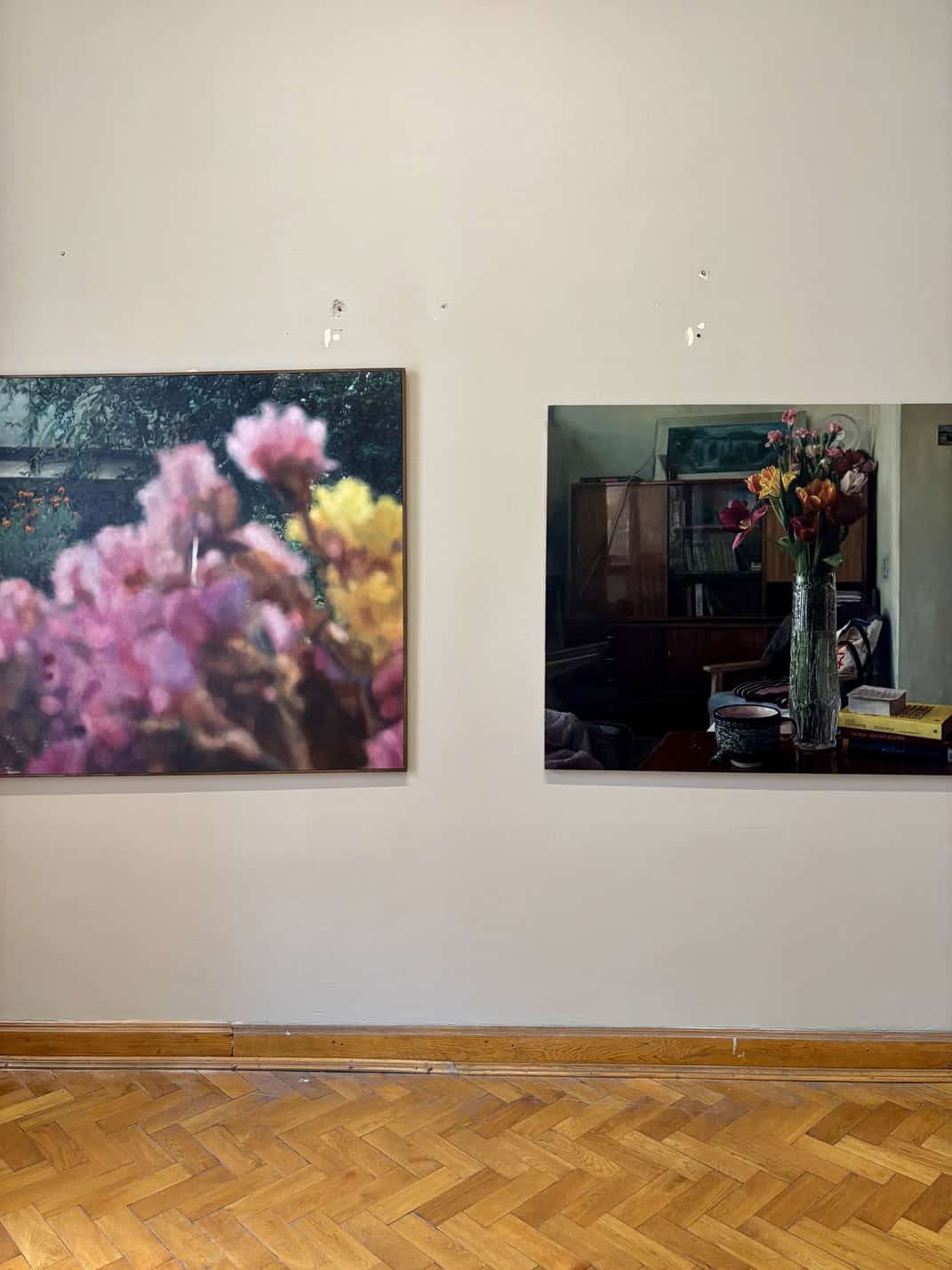
Moving to the first floor, I entered the Polana Institute’s gallery room, which showcased recent oil paintings by Polish artist Julia Platt (b. 1997). The rich textures and colours of her works created a contemplative mood, inviting viewers to explore domestic interiors, isolated moments of everyday life, and their connection to memory and family bonds. They reminded me slightly of Gerhard Richter’s blurry photo paintings, with the large-scale canvases amplifying their emotional impact. These familiar scenes featured balconies, doors, and windows that subtly delineated the boundaries between private and public space. I saw Platt’s paintings as drawing attention to the seemingly insignificant objects we often take for granted – yet which quietly define our everyday lives.
Hamish Pearch
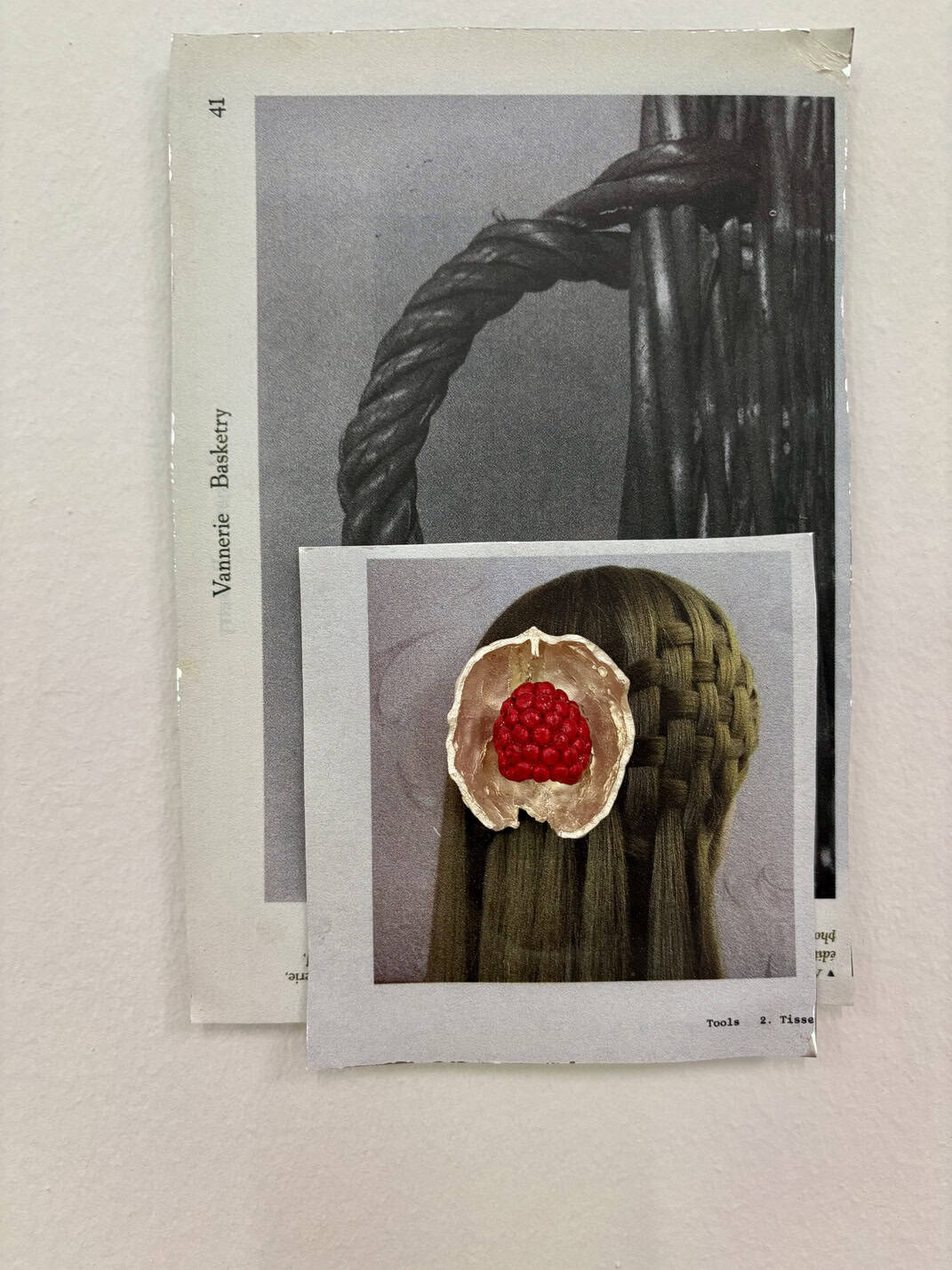
In one of the spacious rooms on the ground floor of the villa, London’s Ginny on Frederick gallery displayed new works by British artist Hamish Pearch (b.1993). A graduate of Camberwell College of Art and the Royal Academy, he creates small scale sculptural pieces with a strong emphasis on materials. Tools, the title of one of the works on view, introduced a utilitarian sensibility, where familiar and unfamiliar materials coexist in tension, revealing new, poetic associations. The artist used UV-printed aluminium – a surface that looked sleek and industrial at first glance, only to reveal unexpected disruptions upon closer inspection. As an artistic medium, it reflects the illusory nature of the world, in which things are often not what they seem.
Gvantsa Jishkariani
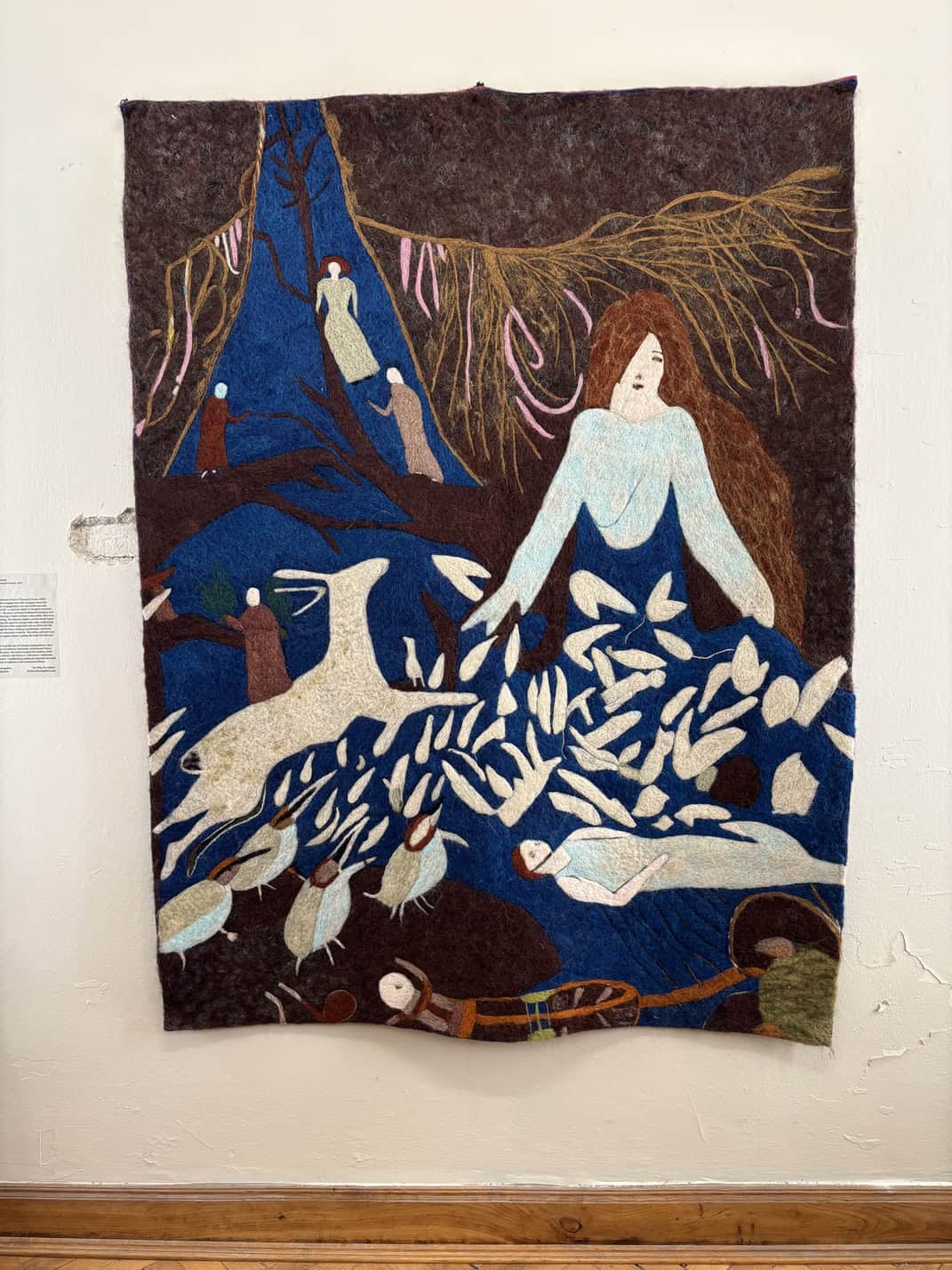
The fifth and final artist who impressed me at Nada Villa Warsaw 2025 was Georgian Gvantsa Jishkariani, represented by The Why Not Gallery. Her embroidered tapestry, Dress of a Thousand Oceans, bridged Georgian folk crafts and Soviet aesthetics with more symbolic themes of nature, feminine heritage and global consumerism. The piece drew its form from the kitschy wall tapestries popular in the USSR and depicted a woman whose flowing blue dress merges with water, uniting land and sea. Symbolically, it spoke to the feminine life force as a source of nourishment, while at the same time alluding to the ominous tide of mass-produced clothes we don’t truly need.
Nada Villa Warsaw has by now firmly positioned itself as one of the most interesting contemporary art events in Warsaw, curating a diverse mix of voices from across Europe and beyond. From material experimentation to deeply personal narratives, the exhibition offered a glimpse into emerging artists to watch in 2026. The works by five artists I’ve included in my Nada Villa highlights reward slow looking and spark conversations. Definitely an event to follow for anyone interested in contemporary art.